


(Second installment in a series on the Rule of St. Augustine, which can help us understand the mindset and vision of Pope Leo XIV, who lives according to this Rule.)
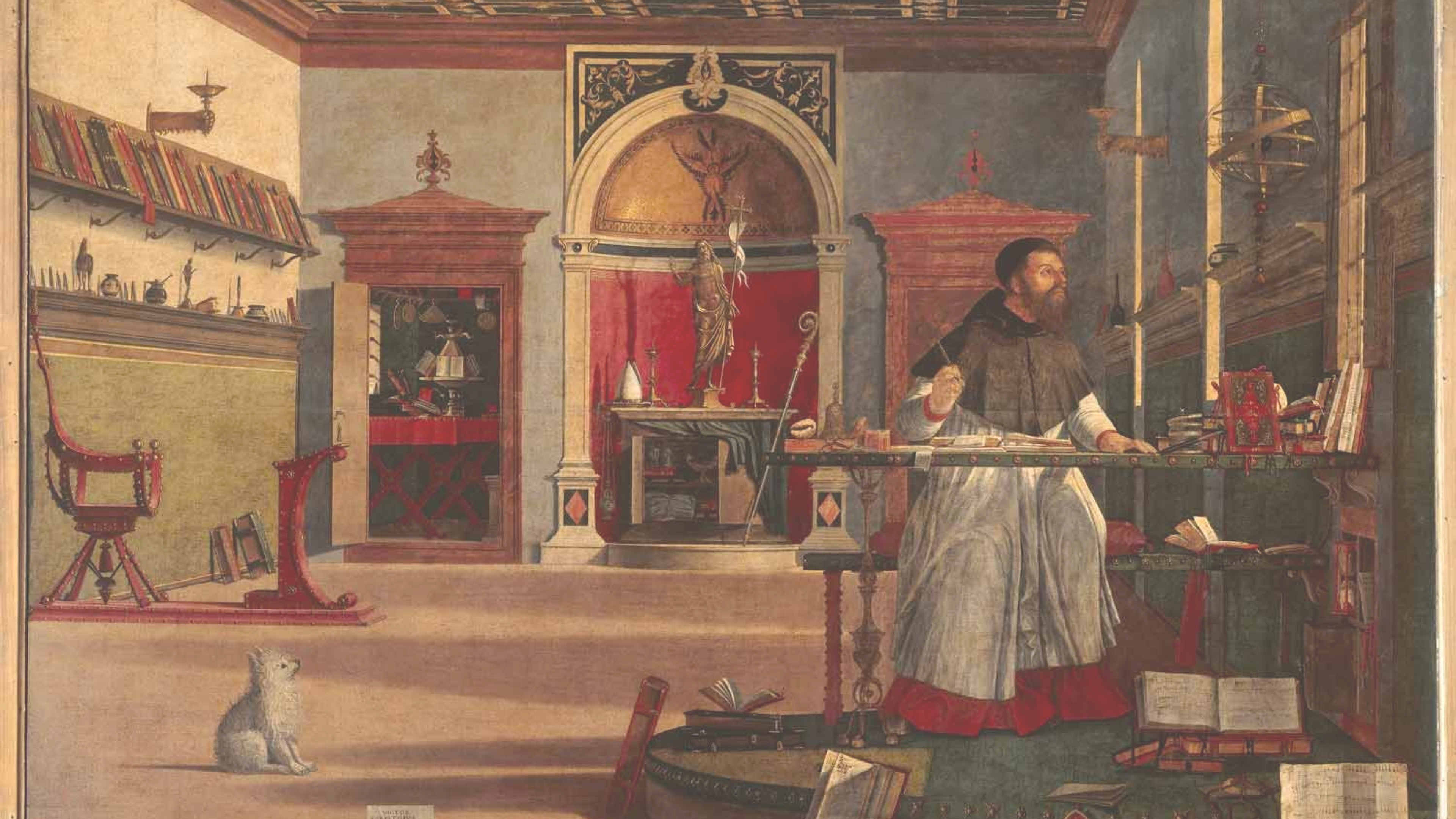
Leo’s Heart: Holding All Things in Common
"Call nothing your own, but let everything be yours in common. Food and clothing shall be distributed... not equally to all, but rather to each according to need."
— Rule of St. Augustine, Chapter 2
If Chapter 1 of the Rule lays the spiritual foundation—love of God and neighbor—then Chapter 2 gives that love concrete form. For Augustine, the sign of a truly Christian community is not just shared beliefs but shared life, particularly in how we relate to possessions.
The Rule calls its members to live in material simplicity and radical generosity. “Call nothing your own,” Augustine says, echoing the earliest Christian community in Acts 4. But he immediately clarifies what this means. It’s not about rigid equality, where everyone receives the same thing, but about justice rooted in love: “to each according to need.”
This idea is not just for monks and friars. It speaks directly to the heart of parish life and family life. In any community, there’s a temptation to cling to what is “mine”: my time, my money, my opinion, my space. Augustine challenges us to think differently. What if the things I have—my talents, my resources, even my schedule—are not truly mine, but gifts entrusted to me for the good of others? Pope John Paul II spoke often about how those are around me are truly given to me, and likewise I am entrusted as a gift to them.
This isn’t a call to erase individuality or personal dignity. In fact, Augustine’s insistence on giving according to need shows how much he values the uniqueness of each person. Those with more take less, so those with less may take more. Remember the way the holy manna was distributed among the Israelites in the desert: they reach received according to need. It’s a vision of justice that isn’t about sameness, but about love that perceives the needs of others.
Augustine knew from experience how difficult this could be. Communities fall apart when people hoard, resent, or compare. That’s why this chapter of the Rule also includes practical advice: don’t complain about what you receive, don’t seek special treatment, don’t grumble when others are given what they need. Beneath these directions is a deeper call—to trust in God’s provision and to rejoice when the needs of others are met.
Pope Leo, formed in this tradition, likely carries this vision of community with him into his papacy. It’s not hard to imagine that his concern for the poor, his simple personal style, and his emphasis on fraternity all find roots in this chapter. The Augustinian heart sees material sharing not as a burden but as an opportunity to live more freely and love more fully.
For us in the parish, this chapter raises some searching but hopeful questions: Do we see our resources—whether time, money, or energy—as gifts to be shared? Are we able to rejoice in the blessings others receive, even when our own needs feel pressing? How might we simplify our lives so we’re freer to love?