


(Fourth installment in an 8-part series on the Rule of St. Augustine, which can help us understand the mindset and vision of Pope Leo XIV who lives according to this Rule.)
Leo’s Heart: Living with Integrity and Joy
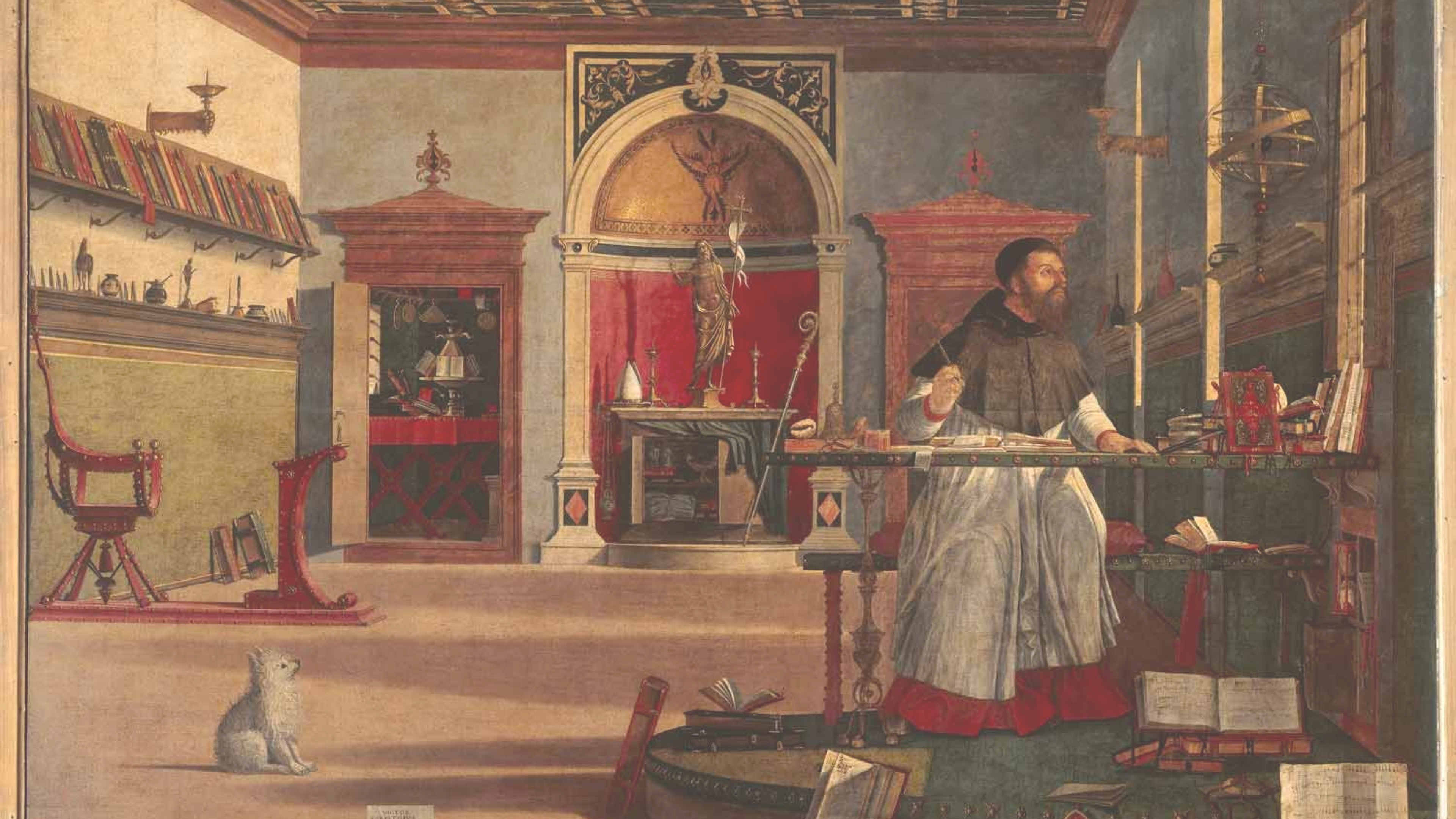
"Subdue the flesh, so far as your health permits, by fasting and abstinence from food and drink. When you come to table, listen to the customary reading without disturbance or contention."
— Rule of St. Augustine, Chapter 4
After laying a foundation of love, shared goods, and prayer, Augustine now turns to the shape of everyday discipline. Chapter 4 of the Rule invites us into the realm of bodily life: fasting, eating, and the small but meaningful practices that form our authentic character. For Augustine, how we handle even the most basic human activities—hunger, appetite, speech—reveals the health of our souls and the unity of our communities.
He begins with fasting, urging restraint and discipline “so far as your health permits.” This isn’t a harsh asceticism, but a call to live with integrity—to not let our desires drive us, but to freely choose what is good. Augustine understands what the Church has always taught: that the body matters, and what we do with it shapes the soul and likewise the soul matters, and what we do with it shapes how live externally.
In our little suburban enclave, saturated with instant gratification and self-indulgence, this chapter may sound old-fashioned. But Augustine isn’t denying the goodness of food or the joy of worldly things. He’s teaching us how to receive these gifts in the right way—through self-control, gratitude, and attentiveness to others. In the Rule, even meals are communal acts of worship: places where Scripture is read aloud, where silence is honored, and where each person’s presence is respected.
That vision can seem far removed from modern parish life—but it doesn’t have to be. Pope Leo’s Augustinian formation likely gave him a deep appreciation for the spiritual value of daily habits. He knows, as Augustine did, that freedom isn’t just doing whatever we want. It’s learning to love what is truly good. That’s the goal of fasting, of simplicity, of quiet attention: not just to “get through” life, but to be formed by it.
As a parish, this chapter invites us to take a fresh look at the small practices that shape our daily lives. How do we eat? How do we speak at the table? Are our homes places where food and conversation are received with joy and reverence—or with noise, rushing, and complaints? Do we practice any form of fasting, not just from food but from excess and distraction?
One of the most practical and powerful things we can do is to reclaim the meal as a sacred space. Try this week to share a meal—perhaps Sunday dinner—with no screens, no multitasking, and a moment of prayer or Scripture. Even just a few minutes of undistracted presence can echo Augustine’s call to holiness in the ordinary.
The Augustinian life, and the heart of Pope Leo, are not formed in dramatic moments but in the quiet discipline of daily choices. Chapter 4 reminds us that holiness is not separate from the body—it includes it. By treating even the table as a place of love and order, we begin to see that every moment of our day can be shaped by the joy and integrity of the Gospel.