


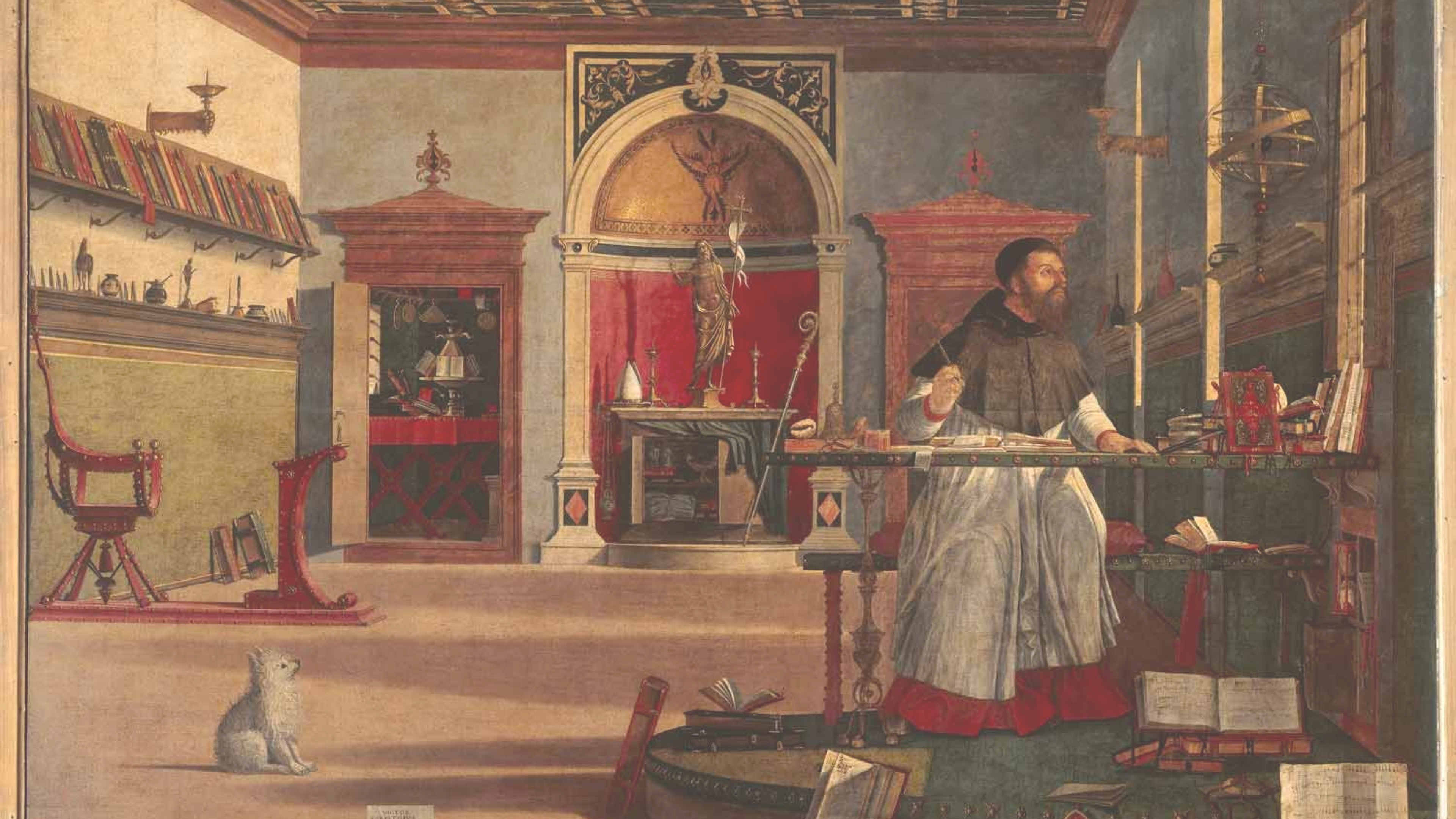
(Sixth installment in a series on the Rule of St. Augustine, which can help us understand the mindset and vision of Pope Leo XIV who lives according to this Rule.)
Leo’s Heart: Mercy in Correction
"If you notice some fault in another, correct him in a spirit of love. But if you are the one at fault, make no excuses. Submit to correction cheerfully and without resistance."
— Rule of St. Augustine, Chapter 6
Correction is one of the hardest parts of community life. Whether we’re on the giving or receiving end, it’s uncomfortable. But for Augustine, loving one another means not avoiding difficult truths. Chapter 6 of the Rule is a powerful reflection on how to live the Gospel when someone goes astray—or when we do. I’m a firm believer that one difficult conversation could prevent years of dysfunction.
The world often offers two extremes: harsh judgment or passive tolerance. Augustine offers a third way—the way of mercy. He calls the community to practice fraternal correction: a humble and charitable effort to help one another grow in holiness. Not to shame or punish, but to restore.
The principle is simple: correct with love, and receive correction with humility. But that’s easier said than done. Pride, defensiveness, fear of confrontation—all of these can get in the way. That’s why Augustine roots this entire process in relationship. Correction, in his view, is not about asserting authority but about serving communion.
Notice the tone he emphasizes: “in a spirit of love,” “without excuses,” “cheerfully and without resistance.” That’s not just a list of behaviors—it’s a picture of an interior disposition shaped by Christ. The one who corrects is called to patience and gentleness. The one corrected is called to freedom and trust.
Pope Leo, shaped by this Augustinian vision, will not be a pope who leads by condemnation. He will, we can hope, lead like Augustine himself: with clarity, courage, and a fatherly tenderness. Augustine knew that a healthy community doesn’t ignore faults—but it also doesn’t obsess over them. It speaks the truth in love, and always for the sake of healing.
This chapter invites us to ask: how do we handle correction in our own lives? When someone points something out—at work, at home, at church—do we immediately defend ourselves? Do we take offense, or do we listen? And when we see someone else struggling, do we speak with love—or do we stay silent to avoid discomfort?
Maybe this week, take time to reflect on one correction you’ve resisted. Can you return to it with new openness? Or consider one person you need to speak to—not with irritation, but with love. Augustine reminds us: the goal isn’t to be right, but to be reconciled.
When correction flows from charity and leads to peace, it becomes not a wound, but a work of grace. In that way, even our faults can become part of the journey toward deeper communion.